A blown fuse. A tripped breaker. A machine that won’t restart. In industrial settings, electrical hazards hide behind routine maintenance tasks. One misstep—like re-energizing a circuit too soon—can be fatal. Yet, too many facilities rely on scattered locks, scribbled tags, and memory-based processes. The result? Inconsistent lockout tagout (LOTO) execution and avoidable risk.
The electrical lockout tagout box isn’t just a storage container. It’s the central nervous system of an effective energy control program. When implemented correctly, it standardizes access, enforces accountability, and ensures that every technician follows the same safety protocol—every time.
This article breaks down what makes a lockout tagout box essential for electrical safety, how to choose the right one, and where most organizations fall short in deployment.
What Is an Electrical Lockout Tagout Box?
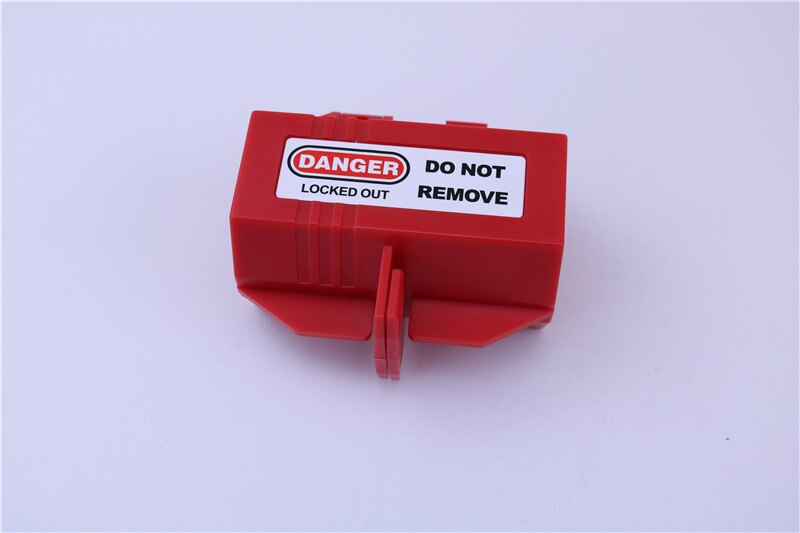
An electrical lockout tagout box is a secure, organized station used to store and manage locks, tags, and keys during maintenance or servicing of electrical systems. It acts as a control point where multiple workers can apply their personal locks to a centralized hasp or breaker lockout, ensuring that equipment remains de-energized until all personnel have completed their tasks and removed their locks.
Unlike a simple tool cabinet, a LOTO box is engineered for compliance. It follows OSHA 1910.147 standards and often includes visual indicators, key management systems, and accountability logs. For electrical systems—where arc flash and electrocution risks are high—this box becomes a critical barrier between danger and safety.
Think of it this way: a circuit breaker may be off, but if someone can flip it back on unknowingly, the hazard remains. A lockout tagout box prevents that by requiring all locks to be removed before re-energization.
Key Components of an Effective LOTO Box
A high-performance electrical lockout tagout box isn’t just about durability. It integrates several functional elements to support real-world safety workflows.
1. Lockout Hasps and Group Lockout Stations
These allow multiple workers to attach their personal locks to a single energy isolation point. For example, during a motor control center (MCC) panel inspection, five technicians each apply their lock. The system stays locked until every individual confirms completion.
2. Key-Control Systems Some advanced boxes use key interlock mechanisms. The box remains locked until all personal locks are removed. Then, the master key is released—only then can power be restored. This prevents bypassing the procedure.
3. Tag Management Trays Tags must be standardized, legible, and tamper-resistant. Built-in trays keep authorized tags accessible while preventing unauthorized use.
4. Durable, Fire-Resistant Housing Electrical rooms often face heat, dust, and moisture. LOTO boxes should be made from non-conductive, corrosion-resistant materials like polycarbonate or powder-coated steel.
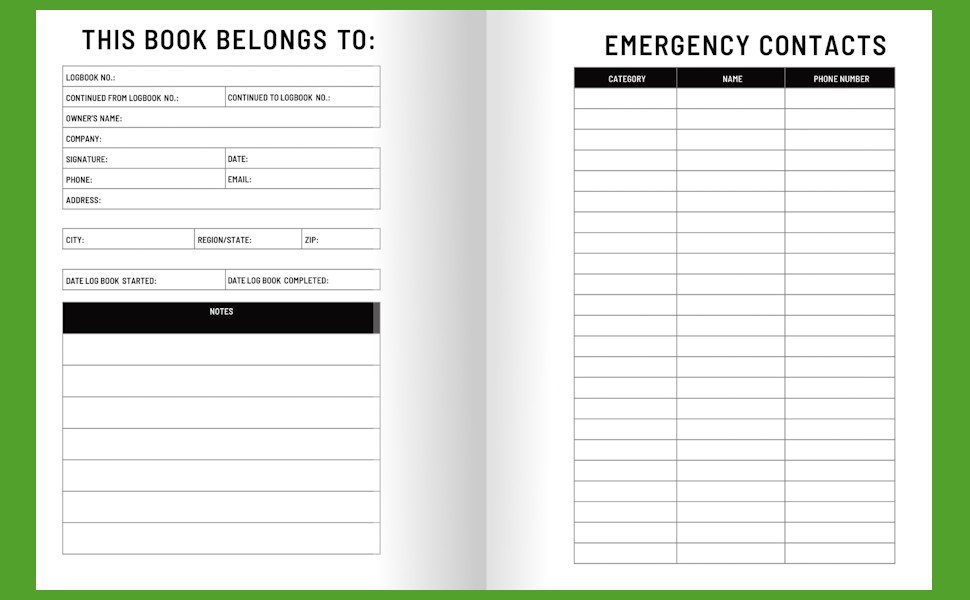
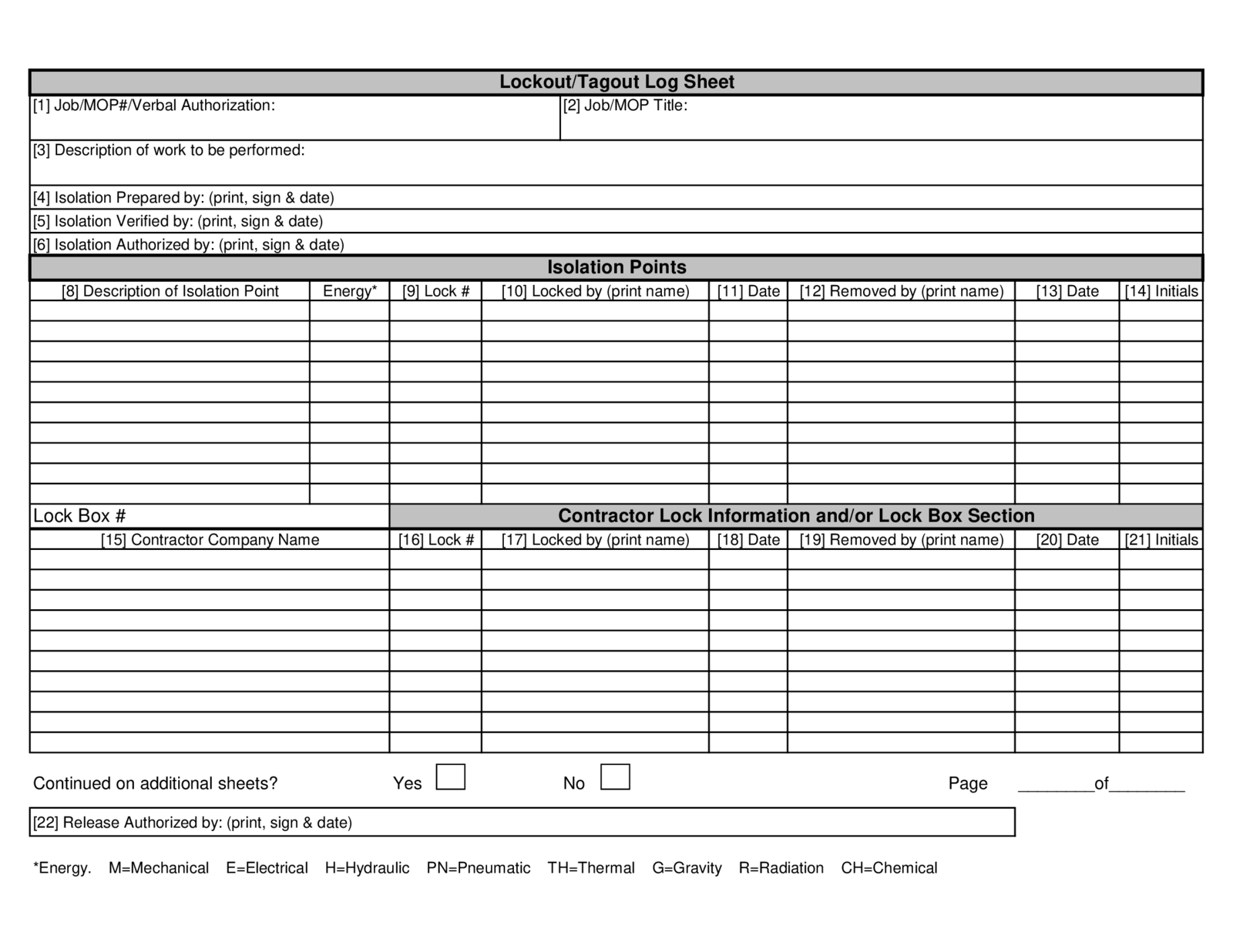
5. Audit and Accountability Features Boxes with log sheets, sign-in boards, or digital tracking integration help supervisors verify compliance and conduct spot audits.
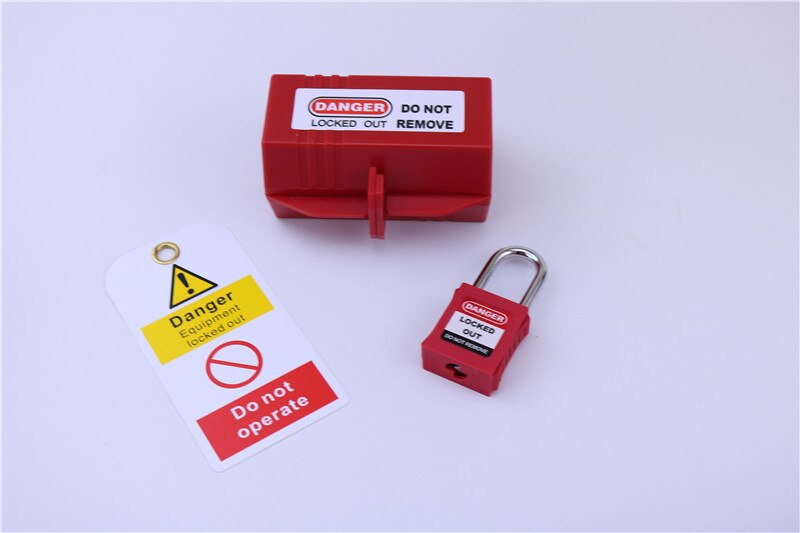
Without these components, a LOTO box becomes just another storage unit—offering the illusion of safety without the substance.
Common Mistakes in Using Electrical Lockout Tagout Boxes
Even with the right equipment, human error and poor design undermine safety. Here are the most frequent missteps:
Misstep 1:
Using a Shared Master Lock
When one lock controls access instead of individual locks, accountability vanishes. OSHA requires each employee to use their own lock and key. A shared lock violates this principle and increases risk.
Misstep 2: No Clear Lockout Procedure Posted The box should have a visible, step-by-step LOTO procedure specific to the equipment. Without it, workers guess—leading to incomplete isolation.
Misstep 3: Poor Location Planning Placing the LOTO box too far from the energy source invites non-compliance. It should be mounted directly adjacent to the disconnect or control panel.
Misstep 4: Ignoring Lockout Duration Long-term maintenance (e.g., 3-day motor rebuilds) requires shift handoffs. Without a lockout log or交接 (handover) protocol, incoming workers may assume the system is safe.
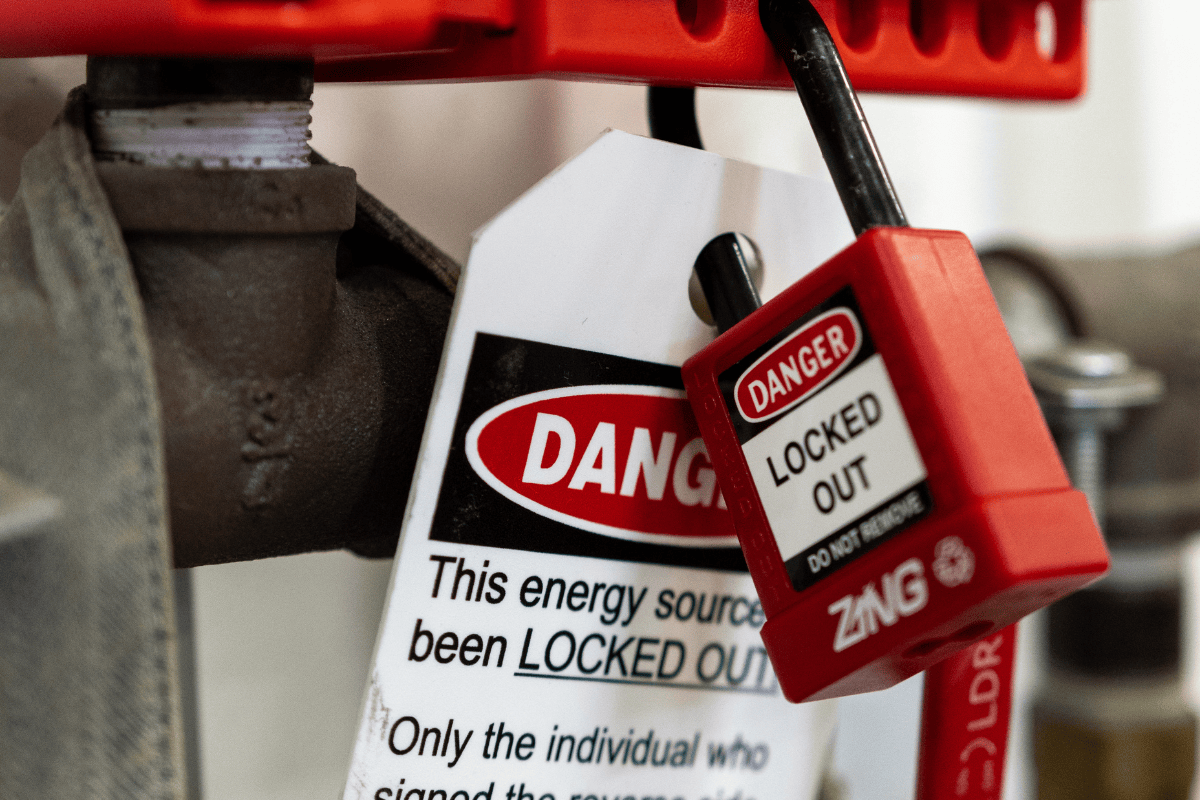
Misstep 5: Using Damaged or Non-Compliant Tags Faded, handwritten, or generic tags reduce credibility. OSHA-compliant tags must include: - Reason for lockout - Date and time - Name and contact of locking employee - Energy source type (e.g., 480V AC)
Fix these gaps, and your LOTO box transitions from a compliance checkbox to a functional safety tool.
Top 5 Electrical Lockout Tagout Boxes in 2024
Not all LOTO boxes are built the same. Here are five high-performance options trusted in industrial, utility, and manufacturing environments.
| Model | Key Features | Best For |
|---|---|---|
| Grace Industries G-LO-1 | 13-lock hasp, key-controlled release, mounted tag board | Multi-craft maintenance teams |
| Seton Heavy-Duty Steel Box | Reinforced steel, 12-lock capacity, fire-resistant | High-risk electrical rooms |
| Bolt LokMaster Pro | Digital audit trail, RFID lock tracking, cloud sync | Facilities using EHS software |
| Master Lock 1690D | Portable, compact, includes 5 personal locks and tags | Mobile technicians or field service |
| Saf-T-Lok Group Box System | Modular design, supports up to 20 locks, color-coded zones | Large-scale industrial plants |
Each serves different operational needs. For example, a utility company managing substation work might prefer the Saf-T-Lok for scalability, while a small factory may opt for the Master Lock model for affordability and simplicity.
Choose based on team size, frequency of lockouts, and integration with existing safety systems.
Real-World Use Cases: How LOTO Boxes Prevent Accidents
Case 1: Preventing Arc Flash During Panel Maintenance At a Midwest manufacturing plant, an electrician was inspecting a 480V distribution panel. Using the site’s LOTO box, he applied his lock and tag. Midway, a junior technician attempted to restore power—but the hasp held firm with five additional locks in place. The box stopped a potential arc flash event.

Case 2: Shift Handoff in Continuous Operations A chemical facility runs 24/7. During a planned pump replacement, the night crew applied locks and stored the breaker key in the LOTO box. The morning shift reviewed the log, confirmed the work wasn’t complete, and left the system locked. This prevented premature restart and possible chemical release.
Case 3: Contractor Safety on Shared Sites A third-party HVAC technician arrived to service a rooftop unit. Instead of bypassing internal procedures, he was issued a temporary lock and added it to the shared LOTO box. Supervisors could instantly see who was working on which system—eliminating confusion and enhancing site-wide awareness.
These aren’t theoretical benefits. They reflect how structured lockout systems protect lives in dynamic, high-risk environments.
Compliance: Why OSHA and NFPA Demand Proper LOTO Boxes
OSHA 1910.147 doesn’t mention “lockout boxes” by name—but it mandates procedures that make them essential. Key requirements include:
- Each authorized employee must apply their own lockout device
- Lockout devices must be standardized and durable
- Tags must contain clear, specific hazard information
- Energy isolating devices must be physically secured
NFPA 70E, the electrical safety standard, goes further. It emphasizes risk assessment, arc flash boundaries, and documented procedures—all of which are reinforced by a centralized LOTO system.
Facilities without proper lockout stations face not only higher accident rates but also OSHA fines averaging $15,000 per violation. In 2023, a Texas refinery was cited for allowing unsecured electrical panels—despite having LOTO kits stored 50 feet away in a warehouse. Proximity and accessibility matter.
A well-placed electrical lockout tagout box isn’t optional. It’s a legal and operational necessity.
How to Implement a LOTO Box System in 5 Steps
Installing a box is easy. Making it effective requires planning.
- Audit Your Electrical Isolation Points
- Identify all breakers, disconnects, and control panels that require lockout. Prioritize high-voltage or high-traffic systems.
- Select the Right Box Type
- Use the comparison table above to match your team size, workflow, and environment.
- Install Near Energy Sources
- Mount boxes within arm’s reach of disconnects. Use wall brackets or floor stands for accessibility.
- Train and Certify Employees
- OSHA requires annual retraining. Include hands-on drills using the actual LOTO box, hasps, and tags.
- Audit Monthly
- Check for missing tags, damaged locks, or procedural gaps. Use the audit log inside the box to track issues and resolutions.
This process turns a passive safety product into an active part of your safety culture.
The Bottom Line: A LOTO Box Is More Than Storage—It’s a Safety System
An electrical lockout tagout box does more than hold locks. It enforces discipline, clarifies responsibility, and creates a visible, repeatable process for de-energizing dangerous systems. In environments where a single mistake can lead to injury or shutdown, it’s not an overhead cost—it’s a frontline defense.
Don’t settle for a flimsy cabinet with a few locks inside. Invest in a system that integrates with your workflow, supports compliance, and protects your most valuable asset: your people.
Start by evaluating your highest-risk electrical points. Install the right box. Train your team. And make lockout tagout a habit, not a hassle.
Frequently Asked Questions
What is the purpose of an electrical lockout tagout box? It centralizes and secures the lockout process, ensuring that all workers apply personal locks and tags before equipment can be safely serviced.
Can multiple people use the same lock on a LOTO box? No. OSHA requires each employee to use their own personal lock and key. Shared locks violate control of hazardous energy standards.
Where should a LOTO box be installed? It should be mounted directly adjacent to the energy isolation point, such as a circuit breaker panel or motor control center.
Do LOTO boxes need to be locked themselves? Not always, but they should be secured against tampering. Some advanced models use key interlocks that prevent access until all locks are removed.
Are digital LOTO boxes compliant with OSHA? Yes, if they meet the same requirements: individual control, clear tagging, and documented procedures. Digital systems can enhance tracking and auditing.
Can a LOTO box be used for non-electrical systems? Yes. While critical for electrical safety, these boxes are also used for pneumatic, hydraulic, and mechanical energy isolation.
What materials are best for LOTO boxes in harsh environments? Polycarbonate, stainless steel, or powder-coated metal boxes resist corrosion, impact, and extreme temperatures.
FAQ
What should you look for in Electrical Lockout Tagout Box: Secure Your Safety Workflow? Focus on relevance, practical value, and how well the solution matches real user intent.
Is Electrical Lockout Tagout Box: Secure Your Safety Workflow suitable for beginners? That depends on the workflow, but a clear step-by-step approach usually makes it easier to start.
How do you compare options around Electrical Lockout Tagout Box: Secure Your Safety Workflow? Compare features, trust signals, limitations, pricing, and ease of implementation.
What mistakes should you avoid? Avoid generic choices, weak validation, and decisions based only on marketing claims.
What is the next best step? Shortlist the most relevant options, validate them quickly, and refine from real-world results.