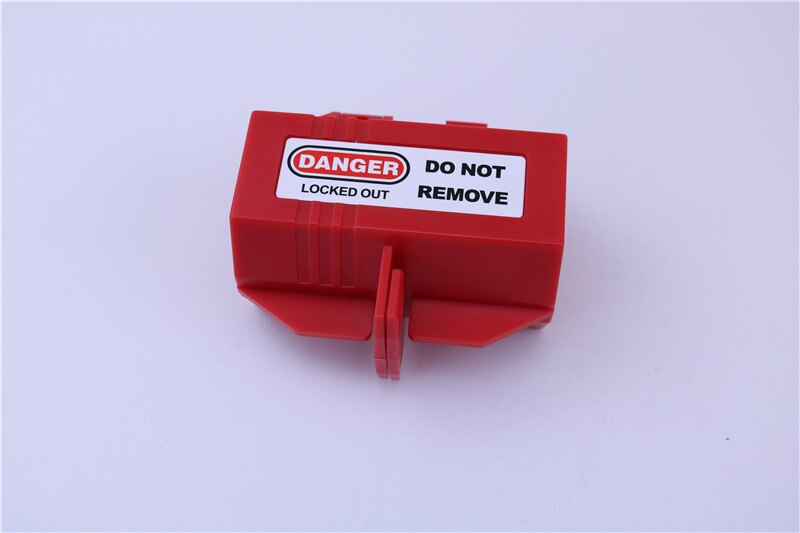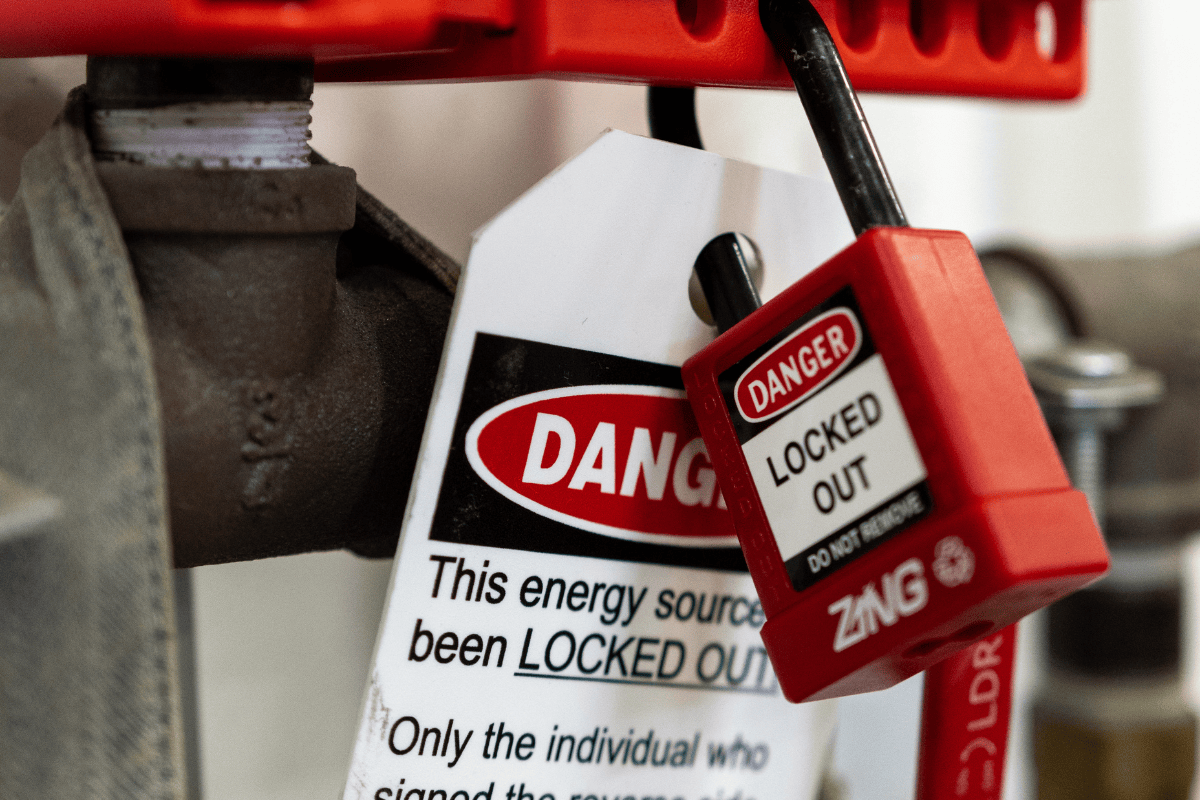
Every year, hundreds of workers suffer serious injuries—or worse—because machinery was accidentally energized during maintenance. The lockout tagout procedure exists to prevent exactly that. It’s a systematic safety protocol designed to isolate hazardous energy sources before any service or repair work begins. More than just a checklist, it’s a lifesaving standard adopted across industries where equipment poses physical risks.
At its core, the lockout tagout procedure (often abbreviated as LOTO) involves physically locking energy-isolating devices and placing warning tags to prevent accidental re-energization. This isn’t optional protocol—it’s mandated by OSHA under standard 29 CFR 1910.147, and its proper execution can mean the difference between a routine repair and a catastrophic incident.
While the concept seems straightforward, real-world implementation often falls short due to misunderstandings, inconsistent training, or procedural shortcuts. The goal of this guide is to clarify not just what LOTO is, but how it works in practice, where it fails, and how organizations can deploy it effectively.
Why Lockout Tagout Matters in Industrial Safety
Machines don’t distinguish between operators and maintenance personnel. When a conveyor belt suddenly activates during servicing, or a press begins cycling due to a miscommunication, the results are often irreversible. According to OSHA, compliance with lockout tagout procedures could prevent an estimated 120 fatalities and 50,000 injuries annually.
The danger isn't limited to electrical energy. Hazardous energy sources include:
- Electrical
- Hydraulic
- Pneumatic
- Mechanical
- Chemical
- Thermal
Each of these can store energy even after a machine is turned off. For instance, a hydraulic press may retain pressure in its lines, while a flywheel can continue rotating due to inertia. Without proper isolation, these residual energies can discharge unexpectedly.
LOTO addresses this by requiring full de-energization, verification, and physical control of energy sources. It’s not just about turning off a switch—it’s about ensuring no one can turn it back on without authorization.
The 6-Step Lockout Tagout Procedure Explained
While OSHA outlines several steps in its energy control standard, most organizations streamline the process into six critical actions. Each step must be completed in order and documented where applicable.
1. Preparation Before any work begins, authorized employees must identify all energy sources powering the equipment. This includes main power feeds, secondary lines, and stored energy components. A site-specific energy control plan should already be in place, detailing isolation points and lockout devices.
For example, in a printing press maintenance scenario, preparation involves consulting the machine's LOTO diagram to locate electrical disconnects, pneumatic valves, and tension release mechanisms.
2. Notification Workers in the immediate area must be informed that maintenance is about to begin and that equipment will be shut down. This step prevents confusion and ensures no one attempts to restart machinery unknowingly.
3. Machine Shutdown
Using normal stopping procedures (e.g., pressing the emergency stop or shutting down via control panel), the machine is powered down. This is not the same as isolation—shutdown is just the first step.
4. Isolation and Lockout Here, energy-isolating devices are physically engaged.
This includes:
- Turning off circuit breakers
- Closing valve shut-offs
- Blocking moving parts
Each isolating point is then secured with a lock—usually a hasp or lockout clamp—applied by the authorized employee. Only they hold the key, ensuring sole control over re-energization.
5. Tagging A durable, standardized tag is attached to each lock. Tags must include:
- Name of the authorized employee
- Date and time of lockout
- Reason for shutdown
- Warning statement (e.g., “Do Not Operate”)
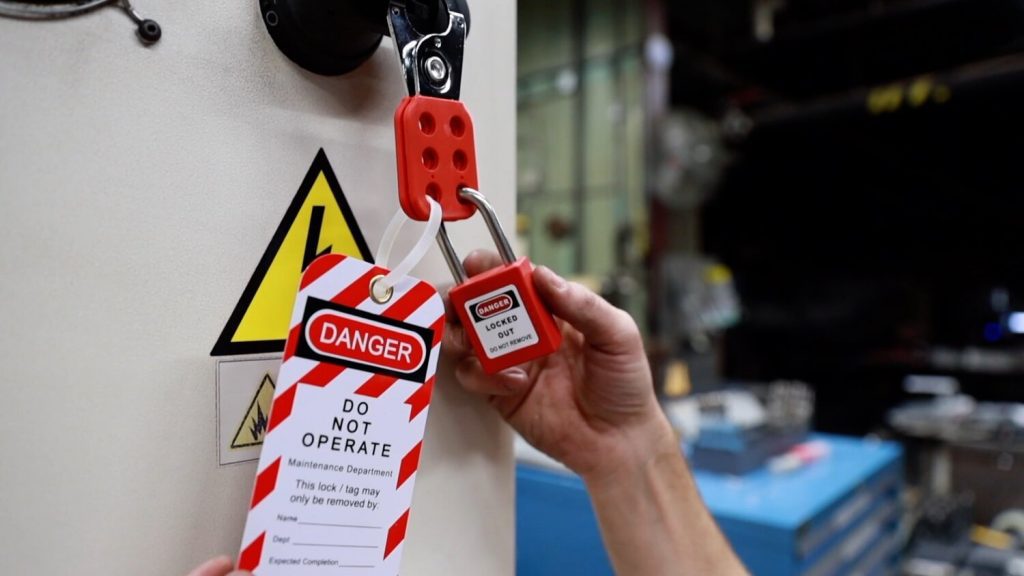
Tags serve as communication tools. Even if someone doesn’t speak the same language, universally recognized symbols (like red circles with slashes) reinforce the danger.
6. Verification This is the most frequently skipped—and most critical—step. After locking and tagging, the authorized employee must attempt to restart the machine to confirm it cannot operate. This is done using the normal start controls, ensuring zero energy remains.
If the machine activates even slightly, the process failed. The source of residual energy must be re-isolated before work proceeds.
Common LOTO Mistakes That Risk Lives
Even experienced teams make errors. Some of the most dangerous LOTO failures stem from:
- Group lockout confusion: In multi-person maintenance jobs, only one lock per person should be used on a single isolation point. A common mistake is assuming one person’s lock protects everyone. Instead, each technician applies their own lock—creating a “lockout chain” that requires all to remove their locks before restart.
- Using inadequate locks or tags: Cheap, non-durable locks can be cut or tampered with. Tags that fade, fall off, or lack essential details undermine the entire process.
- Skipping verification: Some workers assume that if the power is off, it’s safe. But capacitor discharge, spring tension, or gravity can still cause movement. Verification through attempted restart is non-negotiable.
- Improper stored energy release: Before lockout, all stored energy must be safely bled off. For example, hydraulic systems require pressure release, and elevated parts must be mechanically blocked.
- Over-reliance on “tag-only” procedures: Tags alone are not sufficient. Without a physical lock, there’s nothing preventing someone from re-energizing equipment. OSHA allows tag-only systems only in limited cases where lockout is not feasible—and even then, additional protective measures are required.
Real-World LOTO Applications by Industry
LOTO isn’t a one-size-fits-all process. Implementation varies based on equipment complexity and operational environment.
Manufacturing On an automotive assembly line, robots and conveyor systems must be isolated at multiple points. A single cell might require electrical lockout for control panels, pneumatic shutoffs for actuators, and mechanical blocks for robotic arms. Standardized lockout stations with color-coded locks help streamline the process.
Food Processing In a meat processing plant, saws and grinders pose severe cutting hazards. Maintenance crews must lock out main drives and ensure gravity-fed chutes are blocked. Sanitation cycles also require LOTO, as wash-down systems may activate unexpectedly.
Construction Mobile equipment like cranes and excavators require LOTO during engine servicing. Here, battery disconnects and fuel line isolation are critical. Because worksites are temporary, portable lockout kits are essential.
Healthcare Even hospitals use LOTO—on MRI machines, sterilizers, and medical gas systems. An unexpected activation of an MRI’s magnetic field during maintenance can turn tools into deadly projectiles.
Essential LOTO Equipment and Tools
Proper execution depends on reliable tools. Organizations should maintain a full inventory of standardized lockout devices. Here are five essential types:
| Tool | Purpose | Example Use Case |
|---|---|---|
| Lockout Hasps | Allow multiple locks on one isolation point | Used on circuit breaker panels during group maintenance |
| Valve Lockouts | Prevent accidental opening of gas or fluid lines | Applied to steam valves in boiler rooms |
| Circuit Breaker Locks | Secure breakers in the OFF position | Used in electrical rooms during panel upgrades |
| Plug Lockouts | Block electrical cords from outlets | Ideal for portable tools in workshops |
| Group Lockout Stations | Centralized kits with multiple locks, tags, and hasps | Deployed on factory floors for team-based repairs |
Investing in high-quality, durable equipment reduces failure risk. Look for devices made from UV-resistant plastic, corrosion-proof materials, and universal compatibility.
When LOTO Isn’t Enough: Limitations and Additional Safeguards
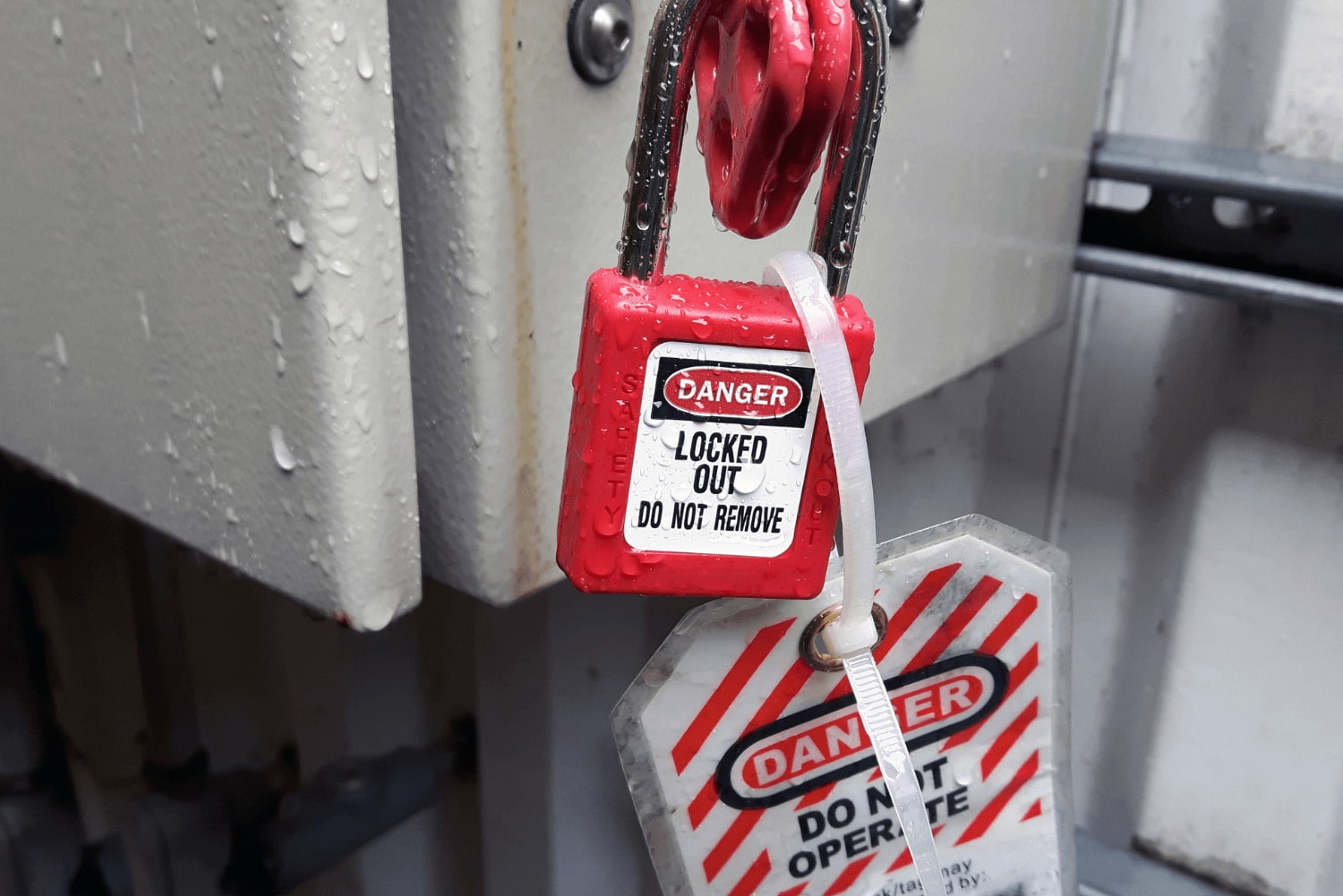
While LOTO is highly effective, it’s not foolproof. Human error, lack of training, and evolving work environments create gaps.
For example:
- Contractor work: Outside technicians may not be trained on your LOTO procedures. Clear communication and joint safety protocols are essential.
- Shift changes: If a lockout extends across shifts, proper handover procedures must be followed. OSHA requires that incoming workers verify isolation before assuming responsibility.
- Complex systems: In plants with interlocked machinery, a single point of failure can compromise multiple systems. Detailed energy control plans with flow diagrams are crucial.
Supplemental controls include:
- Machine guarding: Physical barriers that prevent contact with moving parts, even if energized.
- Emergency stop circuits: Should never be used as isolation points under LOTO, but are vital backups.
- Remote monitoring: Sensors that detect unauthorized access or attempted restarts during lockout periods.
How to Build a Compliant LOTO Program
A successful LOTO program isn’t just about procedures—it’s about culture. Start with these steps:
- Conduct an energy audit: Identify all equipment requiring lockout and catalog their energy sources.
- Develop machine-specific procedures: Each piece of equipment should have a written LOTO protocol.
- Train authorized and affected employees: Authorized staff perform lockouts; affected employees operate or work near the equipment.
- Perform annual audits: OSHA requires periodic inspections to ensure compliance and identify gaps.
- Use clear signage and labeling: Isolation points should be marked with standardized symbols.
Documentation is key. Maintain records of training, audits, and lockout incidents. Digital LOTO management platforms can help track compliance, assign locks, and generate reports.
Conclusion: LOTO Is Non-Negotiable for Safety
The lockout tagout procedure isn’t bureaucratic red tape—it’s a proven defense against preventable tragedies. When implemented correctly, it protects workers, reduces downtime from accidents, and ensures regulatory compliance.
The next time you see a lock and tag on a machine, recognize it for what it is: a deliberate act of responsibility. Whether you’re a safety officer, technician, or manager, your role is to uphold the integrity of this system. Start by reviewing your current procedures, verifying isolation points, and ensuring every employee understands not just how to lockout—but why it matters.
What is the purpose of the lockout tagout procedure? The primary purpose is to protect workers from unexpected energization or startup of machinery during maintenance, preventing injuries caused by hazardous energy release.
Who is responsible for implementing lockout tagout? Authorized employees—those trained and responsible for executing the LOTO procedure—are in charge. Affected employees must also understand the protocol and respect lockout boundaries.
Can you use only a tag without a lock? In rare cases where a lock cannot be applied, OSHA allows a tag-only system—but only if it provides equivalent protection and includes additional safety measures like continuous supervision.
How often should LOTO procedures be reviewed? OSHA requires annual inspections of each energy control procedure to ensure compliance and effectiveness. Reviews should involve both the authorized employee and a supervisor.
What happens if someone removes a lockout device prematurely? Unauthorized removal of a lockout device is a serious safety violation and can result in disciplinary action, regulatory fines, or criminal liability if it leads to injury.
Is lockout tagout required for every type of maintenance? LOTO is required whenever employees service or maintain equipment where unexpected energization could cause harm. Minor adjustments or routine tasks may be exempt under specific conditions.
Do small businesses need to follow LOTO standards? Yes. OSHA’s lockout tagout standard applies to all employers with employees servicing machinery, regardless of company size. Compliance is mandatory, not optional.
FAQ
What should you look for in What Is the Lockout Tagout Procedure? A Complete Guide? Focus on relevance, practical value, and how well the solution matches real user intent.
Is What Is the Lockout Tagout Procedure? A Complete Guide suitable for beginners? That depends on the workflow, but a clear step-by-step approach usually makes it easier to start.
How do you compare options around What Is the Lockout Tagout Procedure? A Complete Guide? Compare features, trust signals, limitations, pricing, and ease of implementation.
What mistakes should you avoid? Avoid generic choices, weak validation, and decisions based only on marketing claims.
What is the next best step? Shortlist the most relevant options, validate them quickly, and refine from real-world results.