A machine restarts unexpectedly during maintenance. A technician reaches into a jammed conveyor. The result: severe injury—or worse. These incidents are not rare, but they are preventable. At the heart of that prevention is a simple, standardized tool: the lockout tag.
But what is a lockout tag, exactly? It’s not just a piece of plastic hanging from a valve or switch. It’s a critical component of a formal safety procedure designed to isolate hazardous energy sources and communicate danger to everyone nearby. Misunderstanding its purpose—or worse, skipping it—can have irreversible consequences.
This article breaks down the real function of a lockout tag, how it differs from a lock, when and where it's required, and how to implement it correctly in real-world operations.
The Core Purpose of a Lockout Tag
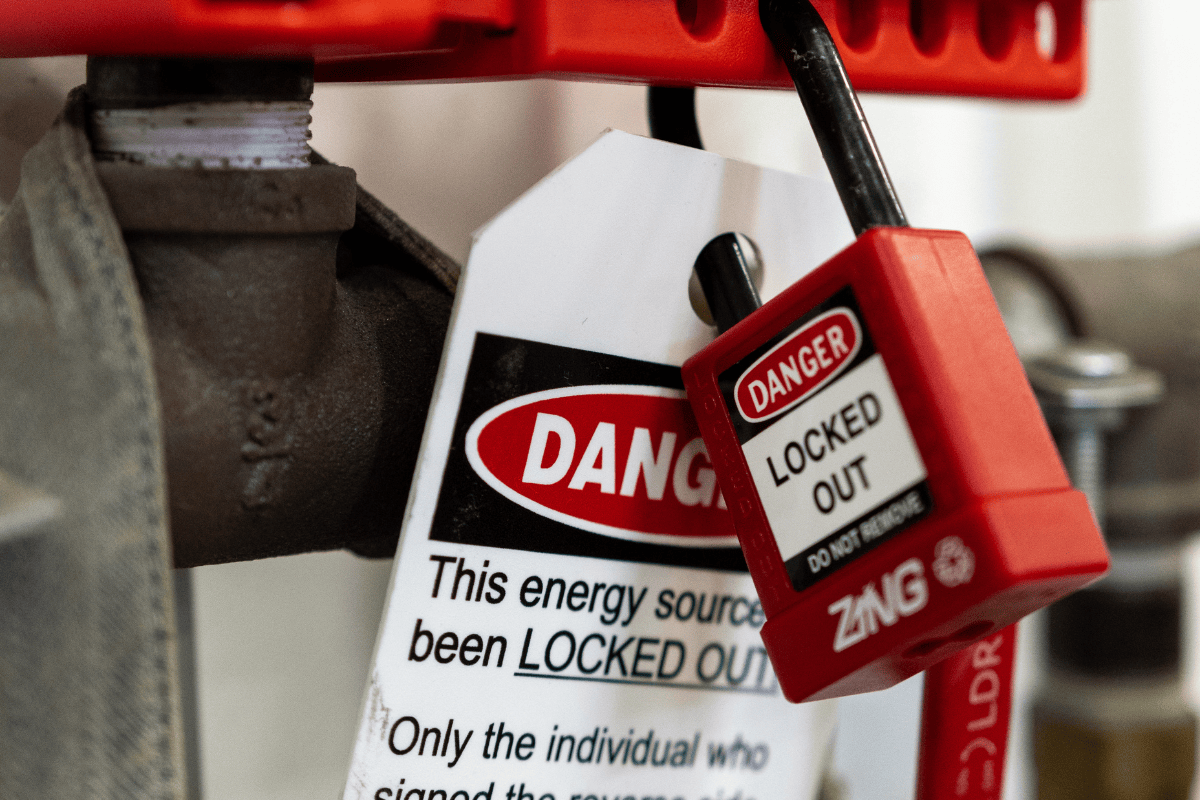
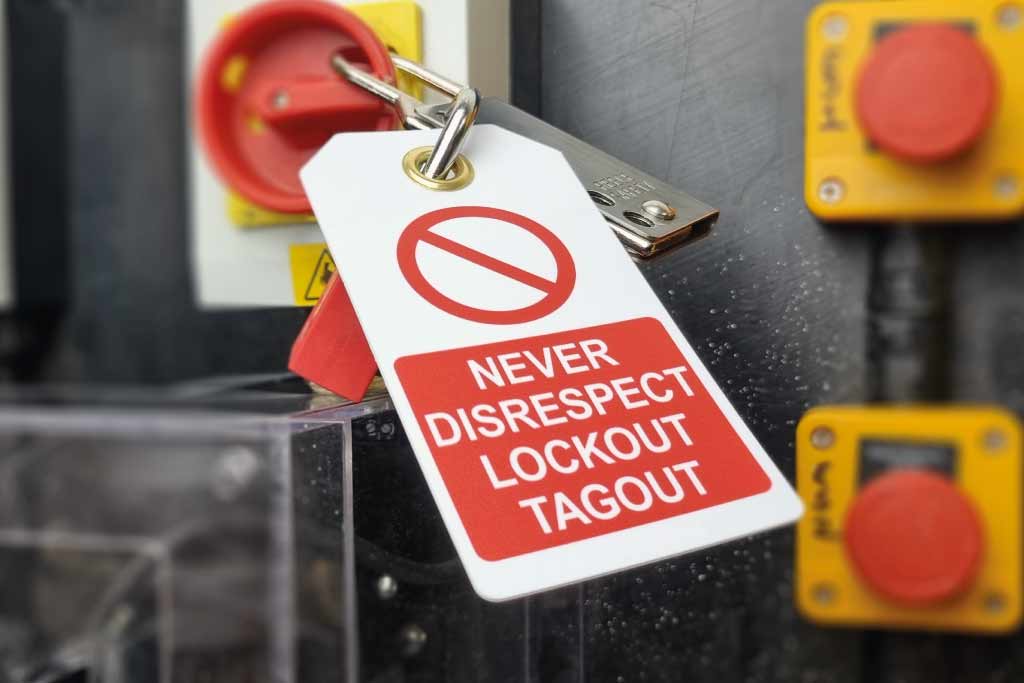
A lockout tag is a warning device attached to machinery or energy-isolating devices during servicing or maintenance. Its primary purpose is to communicate two key messages:
- "Do Not Operate" – The equipment is not safe to use.
- "Authorized Personnel Only" – Only the person who applied the tag may remove it.
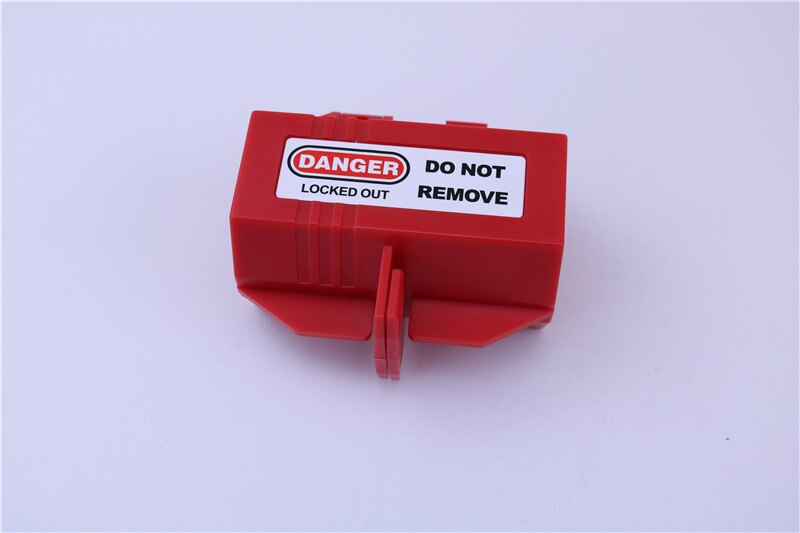
Unlike a lock, a tag cannot physically stop a machine from being energized—it’s a visual and informational signal. That’s why it’s almost always used in conjunction with a physical lock (a padlock, valve lock, breaker lock, etc.) as part of a broader Lockout/Tagout (LOTO) system.
Tags are designed to be durable, tamper-resistant, and highly visible. They typically contain:
- The name of the authorized employee
- Date and time of application
- Reason for lockout
- Department or work group
- Contact information
Without this information, a tag loses its authority and becomes just another piece of clutter on a machine.
How Lockout Tags Fit into LOTO Procedures
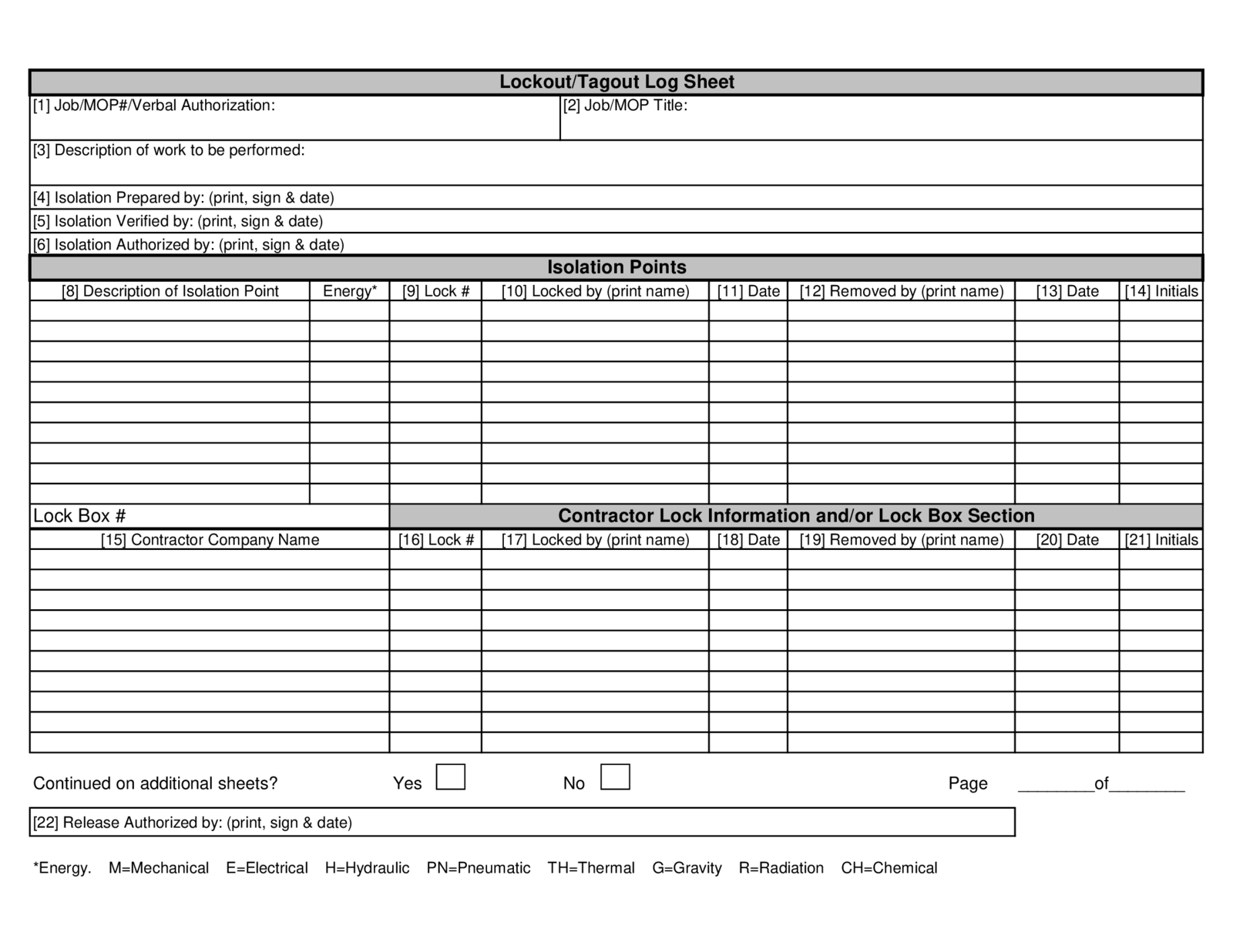
Lockout/Tagout (LOTO) is a standardized safety process defined by OSHA (Occupational Safety and Health Administration) under regulation 29 CFR 1910.147. The goal: control hazardous energy during servicing.
Here’s how a lockout tag functions within that process:
- Preparation – Identify all energy sources (electrical, hydraulic, pneumatic, thermal, chemical, gravitational).
- Shutdown – Turn off the equipment using normal stopping procedures.
- Isolation – Physically disconnect or block all energy sources (e.g., flip breakers, close valves).
- Lockout Application – Apply locks to isolating devices.
- Tag Application – Attach a lockout tag explaining the lock’s presence.
- Energy Dissipation – Bleed off stored energy (e.g., drain capacitors, release pressure).
- Verification – Attempt to restart the machine (after ensuring no one is at risk) to confirm zero energy.
The lock stops the machine from being activated. The tag explains why and who is responsible.
Lockout Tag vs. Lockout Device: Know the Difference
Confusing the tag with the lock is one of the most common mistakes in industrial safety. They serve different, complementary roles:
| Feature | Lockout Tag | Lockout Device |
|---|---|---|
| Physical Restraint | No | Yes |
| Prevents Operation | Only through warning | Mechanically |
| Removable by Others | Technically yes (but against policy) | Only with key or approval |
| Primary Function | Communication | Prevention |
| Required by OSHA | Yes (if lock alone is insufficient) | Yes |
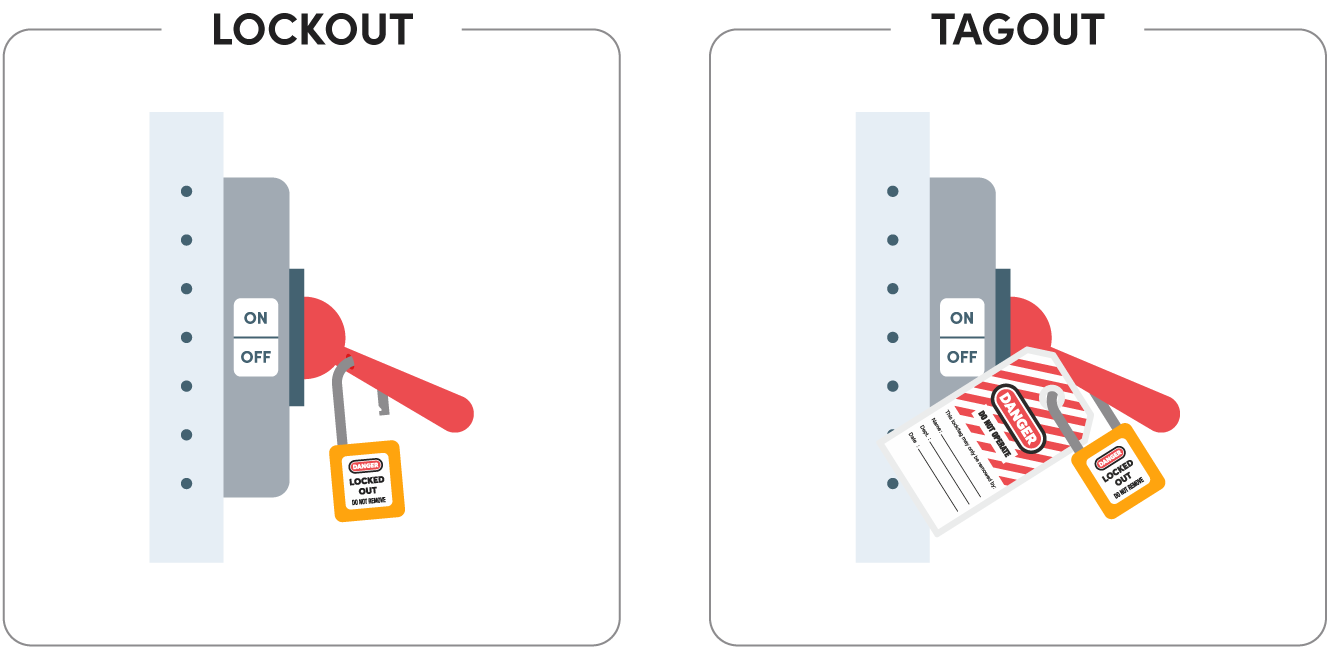
A lockout tag warns, but a lockout device stops. Relying on a tag without a lock is a violation of OSHA standards and creates a false sense of security.
For example, imagine a maintenance worker tags a hydraulic press but doesn’t lock the main valve. A well-meaning colleague sees the press idle and reopens the valve to “help out.” The tag may have said “Do Not Operate,” but nothing physically prevented the system from energizing. This is exactly the kind of scenario LOTO is meant to eliminate.
Real-World Use Cases and Examples
Case 1: Conveyor Belt Maintenance A technician needs to clear a jam in a high-speed conveyor. - Steps Taken: Shuts down the control panel, locks the main power disconnect with a personal padlock, attaches a lockout tag with their name and reason. - Why It Works: Even if a supervisor pressures them to finish quickly, no one else can restore power without breaking protocol—because the lock physically blocks access and the tag explains why.
Case 2: Chemical Processing Plant A valve needs repair on a pressurized line carrying toxic fluid. - Steps Taken: Isolates the section, locks the inlet and outlet valves, tags each lock with hazard details and contact info. - Why It Works: The tag includes chemical hazard warnings—critical for emergency responders or shift workers unfamiliar with the maintenance.
Case 3: Multi-Craft Worksite Three technicians from different teams are working on the same machine—electrical, mechanical, and controls. - Steps Taken: Each applies their own lock and tag to the main disconnect. - Why It Works: The machine cannot restart until all three remove their locks. This ensures no one is trapped inside or exposed when power returns.
These examples show that the lockout tag isn’t just a formality—it’s a communication tool that scales with complexity.
Common Mistakes That Undermine Lockout Tag Effectiveness
Even facilities with LOTO programs often make critical errors that reduce the tag’s value:
- Blank or incomplete tags – Tags missing names, dates, or reasons are ignored. They signal lax safety culture.
- Using tags without locks – This violates OSHA rules and creates dangerous assumptions.
- Group tagging without clear accountability – If five people use one tag, no one feels ownership.
- Tags left in place after work is done – “Zombie tags” erode trust in the system.
- Photocopies or handwritten tags with poor legibility – Illegible tags are ineffective in emergencies.
One manufacturing plant reported a near-miss when a substitute worker removed a faded, partially torn tag, assuming it was outdated. The technician was still inside the machine. The tag’s poor condition directly contributed to the risk.
When a Tag Alone Is Acceptable (Rare Cases)
OSHA allows tagout without a lock only when the energy-isolating device is not capable of being locked. But even then, the employer must prove:
- No lock is available for that device
- A tag provides equivalent protection
- Additional safety measures (e.g., continuous supervision) are in place
This exception is narrow and should not be used as a workaround for missing locks. Most modern equipment is designed with lockable disconnects. If your facility regularly uses tags without locks, it’s likely out of compliance.
Choosing the Right Lockout Tags for Your Facility
Not all tags are equal. Selecting the right ones depends on your environment, equipment, and workforce. Here are five reliable lockout tag options used in industrial settings:
| Product | Material | Features | Best For |
|---|---|---|---|
| Brady BMP6922-20 | Durable polyester | Write-on, blank, 20-pack | General use, high turnover |
| Grainger 4ZBV8 | Vinyl | Pre-printed “Danger – Do Not Operate,” UV-resistant | Outdoor or harsh environments |
| Seton 55765-10PK | Polyethylene | Multi-language (English/Spanish), 10-line write area | Multilingual teams |
| Master Lock 1499DAT | Polyester | Custom imprinting, serial numbering | High-security or audited facilities |
| Norton 1300-50 | Weatherproof plastic | Reusable, dry-erase surface | Temporary maintenance zones |
Choose tags that resist fading, tearing, and moisture. If your facility uses digital LOTO systems, consider QR-coded tags that link to work permits or safety logs.
How to Train Teams on Proper Lockout Tag Use
A tag is only as effective as the person applying it. Training should cover:
- How to identify all energy sources on a machine
- Correct lock and tag placement
- Filling out tags completely
- Verification of zero energy
- Procedures for shift changes or handoffs
Annual retraining is required by OSHA. But effective programs go further—using simulations, shadowing, and audits to ensure compliance.
One plant reduced LOTO violations by 78% after introducing monthly “tag checks,” where supervisors randomly inspect active lockout points and provide feedback. Simple accountability made a measurable difference.
Final Thoughts: A Tag Is More Than a Warning
A lockout tag is not paperwork. It’s a lifeline. In high-risk environments, it’s the last line of defense between routine maintenance and catastrophic injury. Its simplicity is deceptive—when used properly, it communicates authority, responsibility, and risk.
But it only works when paired with discipline: the lock, the procedure, the verification, and the culture that respects each step.
If your facility uses lockout tags, audit them tomorrow. Are they complete? Are they paired with locks? Are workers trained to treat them as untouchable?
Fix the gaps now—before an accident makes the decision for you.
FAQ
What is the difference between a lockout and a tagout? Lockout refers to physically securing an energy-isolating device with a lock. Tagout refers to attaching a warning tag. OSHA requires lockout whenever possible; tagout alone is only allowed in specific cases.
Can anyone remove a lockout tag? No. Only the authorized employee who applied the tag and lock may remove it. In exceptional cases, a supervisor may remove it following a strict OSHA-defined procedure.
Are lockout tags required by law? Yes. OSHA’s 29 CFR 1910.147 requires both locks and tags as part of the LOTO standard to control hazardous energy.
What information must be on a lockout tag? At minimum: the name of the authorized employee, the date, and the reason for the lockout. Additional details like shift, department, and contact info are strongly recommended.
Can lockout tags be reused? Some durable, dry-erase tags are designed for reuse. Disposable tags should be discarded after use to prevent confusion.
Do lockout tags expire? They don’t have a set expiration, but they must be removed immediately after maintenance is complete. Leaving old tags in place violates safety protocols.
What happens if someone removes a lockout tag prematurely? It’s a serious safety violation. If it leads to injury, the individual and employer may face OSHA fines, liability, and criminal charges depending on the outcome.
FAQ
What should you look for in What Is a Lockout Tag and Why It Matters in Safety? Focus on relevance, practical value, and how well the solution matches real user intent.
Is What Is a Lockout Tag and Why
It Matters in Safety suitable for beginners? That depends on the workflow, but a clear step-by-step approach usually makes it easier to start.
How do you compare options around What Is a Lockout Tag and Why It Matters in Safety? Compare features, trust signals, limitations, pricing, and ease of implementation.
What mistakes should you avoid? Avoid generic choices, weak validation, and decisions based only on marketing claims.
What is the next best step? Shortlist the most relevant options, validate them quickly, and refine from real-world results.